15 Funny People Working Secretly In Ovens And Hobs
Ovens and Hobs in the UK
Ovens and hobs are available in a variety of widths and fuel types. Freestanding cookers are positioned between kitchen units and are either electric or gas.
They usually come with a single oven and one or two hob rings/plates. Hobs could be induction, gas ceramic, or an electric model with an air-conditioner.
Gas
Many UK households opt for gas ovens and stoves. They are precise in temperature control, which makes them suitable for a variety of cooking methods. They tend to heat faster than electronic alternatives, like ceramic hobs. Modern gas hobs come in a variety of styles and designs that can complement any kitchen.
Gas cookers are usually powered by liquefied petrol gas (LPG) and can be used in conjunction with or instead of the traditional stove. The burners can be controlled by hand using lighters or matches however modern hobs have more convenient electric ignition systems designed to make use simpler and safer.
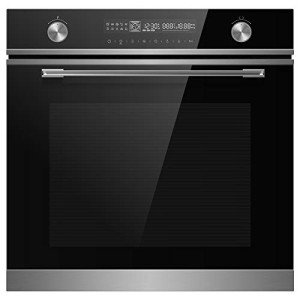
Gas hobs are able to cook during power outages, despite they require electricity to perform certain functions such as the ignition and safety features.
oven with hob come with flame failure devices or thermocouples that stop the gas supply once the flame goes out. This prevents dangerous gas leaks.
It is important that if you decide to install gas stoves in your kitchen, that the installation be carried out by a registered Gas Safe professional. This ensures that the gas connection and electrical connections are configured correctly, and that all safety standards are met.
A gas hob can be the ideal option for your kitchen, however it is important to be aware of the cleaning and maintenance requirements. Regular cleaning and a thorough inspection for damaged or loose components are vital to keep your hob working properly. Keep a bottle of cream cleaner handy for any stains that are tough or burned deposits. Modern hobs are simpler to clean, especially those equipped with ceramic or induction surfaces. You should select one with touchscreen controls instead of dials. These are easier to clean.
Induction
Induction hobs cook the food directly by using electromagnetic technology, rather than traditional gas flame. This makes them energy-efficient and quick, as well as precise cooking control. However, they do require compatible cookware. Cast iron and stainless steel pans with magnetic bases are ideal, but aluminium is compatible too when it has flat bases. Look for the induction symbol on the bottom of your cookware to verify that it is suitable.
Induction hobs are also more practical than gas models, as they don't require chimneys or flue. The smooth glass-ceramic surfaces are also easy to wipe clean, which means spills and splatters are less likely cause fire. Certain models come with a pause function that stops the cooker from operating while you're away. others have minute minders that will allow you to set timers for specific cooking zones.
Certain brands provide innovative accessories to induction hobs. These include pan sensors that are affixed to the sides of cookware to communicate with the device using Bluetooth to regulate temperature accurately. This feature is perfect for professional chefs or even experienced cooks as it makes cooking food more efficient and less time-consuming.
Induction hobs are also more stylish than other types of cookers which are set on top of a counter. Some come with frames that blend seamlessly into the countertop, creating a sleek appearance. There are also induction hobs that have a full-color display, which lets you control the cooker with ease using menus and features.
Look out for features like bridge zones that integrate that let you connect two cooking areas at the same time which is useful for larger cookware. Certain models come with residual heat indicators which will let you know the cookware's surface cookware is still hot. This can be an excellent safety feature when you are cooking with children. Induction hobs typically cost more than other kinds of electric hobs, but their long-term energy savings could assist in reducing this. They are safer than gas models, since there is no open flame and heating element.
Electricity
Electric cookers are cheaper to purchase than gas models, and they are also more efficient in heating. They are also less difficult to clean since they don't have a fire underneath and most have smooth surfaces, which means they can cope with hot pans with ease without getting damaged. However certain electric hobs – specifically induction and ceramic hobs take longer to heat up and can still have residual heat on the surface when switched off, which is an issue when you cook with a lot of pans and wish to cut down your energy costs.
A well-known kitchen appliance gas ovens offer instant heat with precise control, so they're popular with foodies as well as professional chefs. Gas ovens are also excellent for cooking, and they tend to have a greater temperature gradient across the cavity. This means that food is cooked evenly, unlike electric ovens which have hot spots.
There are four types of gas hobs available:
Gas hobs feature visible flames and can cook, boil and simmer effortlessly. They are perfect for frying sausages, boiling potatoes and more. They're also renowned for their faster cooking times as they heat up more rapidly than electric hobs, which can be a benefit in a busy household. They are also relatively inexpensive to run and can utilize bottles of LPG as an environmentally friendly option.
Electric hobs have a heating element beneath the ceramic or induction plates and have between four and six different sizes of cooking rings with two to three power levels each. They're quicker to warm up than gas models and can be used for a variety of pan sizes, so they're an ideal choice for a variety of cooking styles. They also have the benefit of being safer as there's no flame to burn you and they're easy to wipe down without scalding yourself, especially with glass models that are made of toughened safety glass.
Electric hobs are a very popular choice, and there are many varieties to choose from such as ceramic, induction and sealed plate. The one with the seal is strong and durable and is able to withstand the rigors of heavy use. They're cheaper than other types but can take a little longer to warm up, and some retain the heat even when they're shut off, so you may discover that your food remains warm when you sit down for dinner.
Combination
Ovens and stoves are vital kitchen appliances for any busy establishment. They help save time and money by heating food up to temperature that is suitable for service rather than keeping it warm for long durations of time. This prevents loss of flavour as well as texture, nutrition and. They must be cleaned regularly with a proper clean cycle to ensure the gaskets do not become hard and fail. Employees should avoid slamming on the doors, as this can damage the gaskets and cause them to fail prematurely.
The most basic and cost-effective oven is the single microwave that makes use of radio waves to cook food quickly efficiently, evenly and with minimal effort. It also comes with defrosting capabilities and some models even grill or bake your food. Some models come with additional features like automatic cleaning cycles, food storage and self-cleaning. There is also the modern Induction hob that uses magnetic fields to heat only the pan or the pot that is placed on the top, which reduces energy consumption and is much quicker to changes in temperature than Ceramic hobs.
