10 Healthy Self Emptying Robot Vacuum Habits
The Convenience of a Self Emptying Robot Vacuum
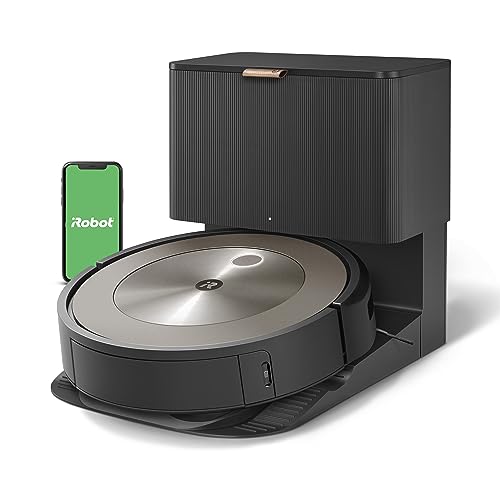
A self emptying robot vacuum collects debris and puts it in larger storage bins inside its docking station instead of releasing it into the air. This is a huge deal for people who suffer from allergies.
If you have a large home, look for an item with a long running time and a big dustbin that can be returned to its original location to recharge between cleaning sessions. It is also advisable to consider apps that let you set no-go zones and alter settings such as suction power.
1. Less Ill
One of the biggest disadvantages of standard robotic vacs is that they usually have tiny dustbins that need manual emptying after every couple of cleaning sessions. This can be a problem, especially for those who live in your home with allergies. The process of emptying a small dustbin can result in a mess of nasty debris being thrown up into the air. Self-emptying robot vacuums solve this issue by having the device automatically empty its collection canister into a larger bin. This brings the glorious dream of a fully automated home closer to the reality.
Self-emptying robots typically have a dock that charges the device and also connects a series of vacuums which remove dirt and debris from a collection container and store it in a large container. When the canister is empty, the robot will return to its dock and empty its contents. It will then shift to another area in the house to tidy. This is less stressful than emptying the onboard trash bin, and it is also easier to do because you won't inhale the debris as it is released into the air.
The downside to the self-emptying system is that it increases the price of a robot vacuum. This is important to keep in mind when choosing the right model for your needs. You'll want to ensure that the canister is large enough to accommodate your home's size and desired cleaning frequency.
A self-emptying robot vacuum isn't essential for everyone, but it can be an absolute lifesaver for those suffering from allergies and busy families that are looking to cut down on time and avoid the hassle of emptying a dustbin. It's also a great option for people who have large homes that are too difficult to cover with a single robot vacuum without having to refill the dust bin that is small on the machine.
Many self-emptying robots are designed to make your life easier and come with features such as app control and scheduling capabilities, mapping technology, mop/vacuum switching features and more. They can be connected to your Wi Fi and smart home devices that allow you to control them even if you are not at home.
2. Reduce Waste
They can be very useful however they must be cleaned regularly. They can also get caught in loose objects, such as stray shoelaces or phone chargers, or be caught by heavy rugs and thresholds to doors.
Self-emptying models are the solution to the dustbin issue with the tiny robot vacuums. They return to their original position when the canister is full and empty the dirty debris into a foot high bin which houses a paper bag. The vacuum then resumes the routine that was programmed.
These models can also detect when the battery is depleted. They can then stop the cleaning process and return to the base to recharge and then resume cleaning process when the battery is fully recharged. If you want even more hands-off convenience, look for one that is programmed to automatically empty the battery at specific intervals (like every three months).
These models are still more expensive than standard robot vacuums but they're worth the cost for certain homes, especially for those suffering from allergies or other respiratory issues. These models are designed to capture more dust hair, pet hair, and other allergens, compared to regular vacuums. They can also reduce the symptoms of allergies.
The latest robot vacuums utilize intelligent technology to map your entire house prior to each cleaning session. This makes them more efficient than earlier models. They can also create "no go" zones that avoid certain areas such as the floor or a toy for children. Some allow you to schedule cleaning time every day, weekly, or when you are away. Certain models have a voice assistant as well as remote control to make it easier. They're perfect for busy households who can benefit from an easier, healthier living space, without spending much time doing the chores.
3. Less Time
Self-emptying robotic vacuums eliminate one of the longest steps involved in the process. While self-emptying models do require their onboard dustbin empty after every cleaning session, these models automatically transfer debris from their onboard bin to a larger receptacle in their base station once they notice that the bin is full. This eliminates the need for cleaning sessions to be paused to empty the bin, and makes it easier for busy individuals to do.
To test a robot's capability to transfer debris from its onboard dustbin we added a weighed amount of dry debris and measured the percentage of debris that fell into the receptacle of the charging dock. Models that moved a higher proportion of the dry debris weighed into the charging base dustbin or bag received the highest scores in our tests.
This is particularly beneficial for busy families or people who have mobility issues, since it can eliminate the need to stop cleaning to open and empty the dust bin on board. If you want to keep an eye on the progress of your robot's work, some models connect to voice assistants such as Alexa or Google Home so that you can control them via only a few simple commands. You can create no-go zones and check the robot's performance. You can also alter settings and schedule cleaning sessions.
While a self-emptying vacuum is more user-friendly but it is more loud than traditional vacuums. This is a significant factor to take into consideration for people who are sensitive to noise. If you are concerned about noise levels, you can search for robots that come with the Quiet Mode. You can also schedule your cleaning sessions when you are away from home.
These robots are less time-consuming to operate, which is a benefit. This means that you will be able to make use of them more often and help keep your floors cleaner for longer.
4. Less Money
The self-emptying robot vacuum is an excellent feature that adds value to compatible robot vacuum models. It eliminates the need for you to empty the bin on board your robot, which can be messy and time-consuming. It makes it easier to use a robotic vacuum in larger houses in which you will need to use it more frequently.
Most self-emptying robots are a little more expensive than other robots. They are more expensive because they have a complicated system to store and manage the waste and dirt they collect. Some have an automatic hopper that disposes of the debris collected into a bin, with the capacity usually limited to around 2.5-3 litres. You'll only have empty the bin once every two or three cleaning cycles. This could save you time and effort over the life of the robot.
auto emptying robot vacuum -emptying robots which are the most advanced can also generate an extensive home map, allowing you label different rooms and to set up virtual no-go zones. Some also integrate with voice assistants, such as Alexa to let you control them and make changes to the cleaning methods they use. The top models aren't cheap. They cost over $1000.
While a self-emptying robot vacuum does take some of the burden of cleaning, it's still not completely foolproof. Even the most sophisticated robot vacuums can get stuck under furniture or on carpets that are thick, and get trapped by phone chargers, cords and pet toys. If this happens, you'll need to do a thorough check of the floor prior to letting your robot go. It might be unable to move and send you an SOS.
The other drawback of the self-emptying base is that it's an enormous and heavy piece of equipment that can make it difficult for robots to fit under furniture or in tight spaces. It can take up a lot of space on your coffee table or kitchen counter, particularly in the case of an external bin with the capacity of six litres.
