10 Amazing Graphics About Electric Stoves
The Benefits of Electric Stoves
The range is in the heart of any kitchen. It's a crucial appliance in your home whether you're cooking pancakes on a Saturday morning, or roasting a turkey for Thanksgiving.
If you're in a renter's apartment or a community without gas lines electric stoves may be the only choice. Here are the advantages and disadvantages of this type of stove.
Energy Efficiency
Some cooks love the click, hiss, and bloom of blue fires licking a pot's edges. The flames can release harmful toxins, which are bad for your health and the environment. Studies have linked natural gas stoves to asthma and other respiratory problems, and a growing number cities and states are limiting or banning new natural gas hookups in homes and buildings. Electricity decreases your exposure to pollutants and also protects the environment. Government programs also offer discounts on the cost of heating.
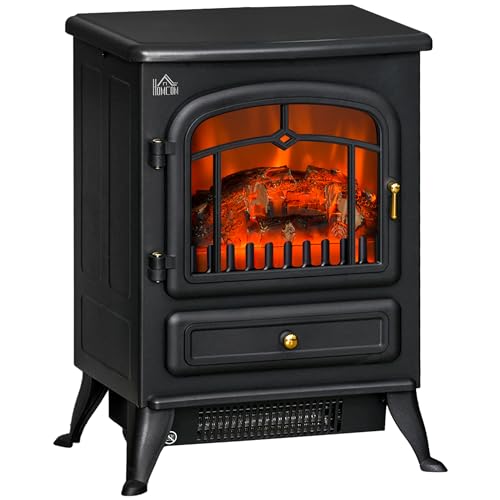
electric effect log burners make use of electricity to heat cookware. They plug into standard outlets with at least 240 Volts. Conventional electric stoves, whether flat tops or coil ranges, use heating elements in the form of exposed metal coils or electromagnetic waves atop an acrylic-glass surface. Once the coils or magnetic fields are hot, place your cookware over them to warm it. Induction stoves work differently by using magnetic currents to directly heat your cookware without the metal coil or the surface.
You can reduce your energy consumption regardless of how the stoves operate by selecting the lowest setting for heat and selecting the appropriate cookware. Cookware with lighter weights will heat up faster, while cookware with flat bottoms transmits heat better, and certain types of metals (such copper) conduct heat better than others. The right size of pot can also reduce energy use by around 40%.
In comparison to the energy used by your refrigerator and other appliances, an electric stove uses considerably less. You can further save by using a timer that will shut off the oven and using an induction stove for quick meals.
Consider purchasing wind or solar power for your home in order to lower your energy bill. This isn't an environmentally sustainable option because the electricity is often produced through fossil fuels. However, it's an excellent move in the right direction. Natural gas production and transportation practices can also be a factor in changes in the climate.
Convenience
Electric stoves don't require gas lines and are an excellent option for those who don't want to tackle the hassles of maintaining or repairing gas lines. They are more efficient at heating than gas and are simpler to clean, making them a popular option for homeowners who are concerned about energy costs. Shop Slager Appliances for high-quality electric ranges.
The heating elements of an electric stove are layered in a grid which results in more precise and swift heating control than gas stoves. They also do not retain heat as long, reducing the chance of burning. Electric ranges feature a flat surface, which is easier to clean as compared to other types of cooktops. This makes it a great option for families with young pets or children who may accidentally drop and spill food onto the stovetop.
A lot of electric stoves come with a convection-oven, which circulates hot air in the oven to warm cool spots. This ensures a more consistent oven temperatures, allowing you to achieve the best results from dishes such as braised meats and breads that have been proofed. Look into
please click the next internet page with American or European convection for the most enjoyable cooking experience.
Electric stoves are replacing gas stoves in increasing quantities. Apart from being less expensive and more convenient electric stoves are also environmentally friendly. Electric stoves are much more environmentally friendly than gas stoves because they consume less fossil fuel and release fewer greenhouse gasses, helping to preserve the climate. They also produce less carbon monoxide. It is an extremely dangerous byproduct of combustion that can lead to poisoning.
The stove you choose to use will depend on the cookware you use and how often you utilize your kitchen. Gas stoves, like are perfect for cooking or grilling food, while electric cookware is ideal for stir-frys, soups, and other dishes. When deciding between electric and gas stoves, think about your cooking style as well as the possibility of natural gas hookups in your area. You may also want investigate local energy rebates. The government offers billions of incentives to help you switch.
Safety
Electric stoves can trigger a fire if you forget or keep the burners running for too long. This is a danger with any stove, and it can occur with gas ranges as well. These incidents are typically caused by human error. For instance sleeping cooks or a naive owner who leaves the stove on. Most stoves are equipped with overheating protection as well as flame failure protection to stop the possibility of fires.
One of the most frequent ways people get burned on electric stoves is by touching the hot surface or dropping something on it. This is not an issue with modern glass-top ranges that have smooth, flat surfaces flush with the rest the counter. This makes them more convenient to clean than gas stoves that have grates above each burner.
A lot of newer models have sensors that detect spills and stop the stove if there are any. This is a vital feature for elderly homeowners who may have impaired cognitive abilities and might not remember to check the stove before leaving the house.
Induction cooktops are another popular option for stoves, that use magnetic fields to generate heat. They're also extremely efficient in energy use and can reduce the chances of burn injuries due to their precise heating. Induction stoves are more expensive than traditional glass or coil stoves, but they're well worth the investment for security and convenience.
Electric stoves require 240 volts to travel between two legs of current. If one leg is interrupted by a blowing fuses or other problem (via Appliance Repair Specialists), the stove won't function. This is a significant problem for homeowners in regions where frequent storms occur and power outages. A new fuse will fix the problem and restore the stove's functionality.
Maintenance
An electric stove works by using electricity to heat steel coils that are placed beneath the burners. These coils, in turn, heat the pot or pan that is placed on top of them. These are the coils which must be kept clean. Food debris or spills could prevent the heating elements of an electric stove from functioning effectively, leading to poor cooking and higher cost of energy. Stains that are stubborn on an electric stove can also be difficult to remove, although some are removable by using a scrubby sponge and a mild cleaner.
Aside from removing burned-on debris, it's best to clean an electric stove after each use to ensure that it is clean and working well. Cleaning the burners and stovetop free of grease will prolong the life of the appliance. To avoid scratching the smooth surface of a stovetop that is electric, a nonabrasive pad should be used.
A regular cleaning schedule can keep your electric stove in good condition. Most manufacturers recommend cleaning your electric stove at least once every week with warm water mild detergent or a non-abrasive household cleaner. The frequency of cleaning will depend on your lifestyle and the quantity of food you cook on the stove, with some areas requiring more frequent washing than others.
As opposed to a gas-powered stove, which requires the removal of grates and burners for deep cleaning, most electric stoves come with coils that can be washed by hand. However the electric coils should never be submerged or soaked as a result of electrical issues that could arise.
It's recommended that a routine maintenance service be performed every year, typically in the spring or autumn before lighting the stove in the winter. The technicians can inspect the stove thoroughly to make sure that all components are working properly and ensure that there are no issues that could cause the heater to fail in the future. The technician will be able to determine and fix any issues quickly in the event of a break down. This is typically less expensive than replacing the stove.
