How To Explain Mexican Chimineas To Your Grandparents
Chimineas - An Authentic Mexican Fire Pit
Chimineas, originally designed to be an oven for baking, represent Mexico's rich culture. The timeless design blends practicality and aesthetic simplicity.
Clay chimineas can be fired in kilns which remove organic materials from the clay and seals the pores to prevent cracking. They are built to live outdoors all year long, but must be protected from prolonged exposure to the elements.
Origins
Imagine a balmy evening in summer, with your loved ones and family eating delicious food outdoors and being warm by your Mexican or clay chiminea. This scene is reminiscent of the Mexican origins of this kind of outdoor fireplace.
These stoves, which were terra-cotta in origin, were designed to serve as radiant heaters as well as ovens, aiding tribesmen during the winter nights in their home country. Their distinctive design was derived from their utilitarian qualities which emphasized practicality and importance of living in a communal setting.
The stoves were originally made from natural terra-cotta clay, which was dried before being fired wood in kilns. Clay chimineas are more rustic and don't have a a glazed surface to protect them. Modern manufacturers produce chimineas made of metals, such as cast iron, aluminum and brass. These are more durable and resistant to weather, which is one of the major limitations of the clay design.
The unique design of the chiminea was created by a potbellied bottom which rises to form an long fireplace. This shape is perfect for containing a fire while directing smoke upwards. This helps reduce the intake of air and increases heat retention.
Chimineas were a popular method of heating, cooking and lighting. We can still enjoy their beauty and the warmth they provide in the cold winter evenings or even under the warm winter sun.
No matter if your chiminea's an authentic Mexican piece or a modernized version, Gardeco has a choice of different styles to match your garden and décor. We offer a variety of sizes, from small to extra-large. We also sell clay chimineas that have decor that is either moulded or engraved into the body of the item.
Our range of terracotta and Mexican Chimineas is made by artisans from the center of Mexico. The colours and shapes can vary slightly due to the nature of the manufacturing process. You can always repaint your chiminea using an emulsion paint that's water-based in the event that it begins to fade. It is crucial to follow the manufacturer's instructions and care guidelines prior to using your new chiminea the first time.
Design
Chimineas aren't just useful, but they also provide a rustic and authentic feel to the space. They come in different materials and designs and can be paired to any patio furniture. They can be used as a focal point, or they can blend seamlessly with your landscape.
The traditional chimenea, constructed of clay, was created with both practical and historical significance in mind. The tall, chimney-like neck directed the smoke away from its users, and its rounded, circular body exuded warmth.
chiminea uk served as a gathering place for storytelling and socializing which played a crucial role in Mexican and Central American culture.
Traditionally, chimineas were handcrafted by local artisans using wet clay that was taken directly from the ground. The raw material was then formed into its final form before being dried in a kiln. Clay chimeneas can be extremely labor-intensive to create particularly large ones. Typically potters would coil long snakes of clay into a cylinder shape, and then smooth the clay, creating the chiminea's bowl and neck. The clay's rim was often decorated with carvings or patterns.
A modern chiminea is generally composed of metals like cast iron or aluminum. Metal chimineas were an important improvement because they could endure high temperatures and moisture without cracking. This change allowed chimineas be used in many different climates.
Although there are a few companies that manufacture clay and terracotta-based chimineas the majority of chimineas are now made of metal. The advantages of using a metal chiminea include its capability to withstand higher temperatures, as well as the fact that it can be cleaned more easily. Metal chimineas are more sought-after than clay chimineas due to the fact that they can stand up to higher temperatures and be cleaned more easily.
No matter what type of chiminea you choose it's important to place it in the proper spot. It must be placed in a leveled space far from any flammable items like trees, grass or other structures. The chiminea should also be placed on a brick, concrete or stone patio and not on a wooden deck. It's a good idea also to place 50mm of sand or Gardeco Lava Stones, under the chiminea. This will protect it from direct heat.
Materials
Kiln-fired clay chimineas and terracotta are still being manufactured by small factories. The temperatures can go up to 1000c. After cooling and dried, the chimineas are able to be assembled. Some are glazed while others remain unglazed. Chimineas can give the Mexican feel in the garden.
Chimineas can be hand painted in a variety colours and patterns to match different styles. The paint finish will fade with time and the temperature of the fire, so it is recommended to re-paint using an emulsion that is water-based.
The original purpose was to provide cooking and heating facilities for Mexicans living in towns, chimineas through the years have transformed into an iconic symbol of Mexican culture, changing their functionality to satisfy a variety of requirements. These distinctive structures weren't solely used by indigenous people of Mexico as bread ovens, but also played an important role in repelling bugs and promoting social gatherings.
The unique design of a chiminea, featuring a wide base and a narrow chimney spout, allows the most air to be drawn into the bottom of the structure, reducing smoke inhalation. It also helps keep the heat within the chiminea's belly. This makes it ideal for cooking.
Currently, chimineas are available in a wide range of materials that include cast iron, terracotta and even aluminum. Terracotta Chimineas are a classic Mexican style. However, they are prone to crack under pressure and should only be used on a flat, fire-safe surface. Cast iron and aluminum chimineas have less risk of damage but are still elegant and durable.
To ensure that the chiminea lasts for as long as is possible It should be kept in a well-ventilated area and shielded from rain and wind. It should be placed away from structures and walls that could catch fire, as well as any patio roofs or eaves which could be damaged by a sudden change in temperature once the chiminea has been extinguished. In order to prevent the chiminea from burning too much, it's recommended that leaves are not burned and only seasoned, kiln dried logs are burned. Regular cleaning with wire brushes is important, as it will prevent build up of deposits which are likely to ignite and blacken. Shielding the chiminea from wind can also help reduce the amount of smoke it produces as it is burned.
Maintenance
Proper maintenance is crucial to the longevity of any fire apparatus. This will prolong its life and ensure that it works safely. Chimineas can be quite fragile and should be kept in a protected area in a place where they can be properly maintained. Even though a clay chiminea appears to be sturdy, it can still crack and break from various sources. It is essential to inspect your chiminea's condition for signs of wear and follow the manufacturer's guidelines on how often you should start it up.
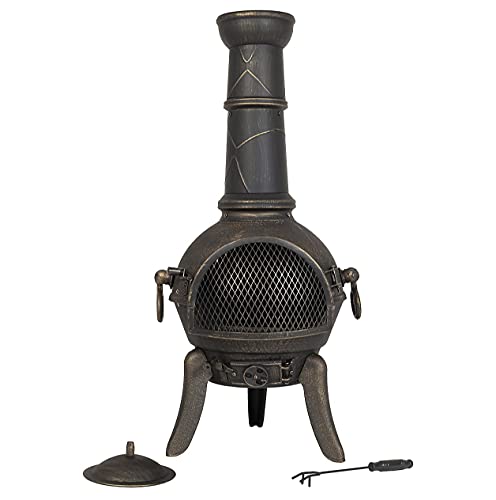
The first step to ensure that your mexican-chiminea stays looking the best is to scrub it thoroughly with a mild detergent solution. This will eliminate any built-up dirt and grime that could cause discoloration and rust. To get rid of loose rust particles you should employ a wire brush. It is recommended that goggles and gloves are used to protect. After you have scrubbed, wash the chiminea and let it dry completely. This will prevent any moisture from causing corrosion and can significantly prolong the lifespan of your chiminea.
After the chiminea has been cleaned and dried, you should lightly sand it down using fine-grit sandpaper. This will smooth the surface and eliminate any rough areas that could catch on to embers when you build a fire. Sanding can also help to make the surface more even and attractive. The sanding process can be followed by several coats of stove or grill paint, which will enhance the appearance of your chiminea and keep it from corrosion.
It is also recommended to keep your chiminea away from direct sunlight and winds since this can cause the paint to fade and peel. It is possible to fix the problem by using water-based emulsions paints or masonry sprayed. It is also essential to only add a small amount of wood at a time and build small fires to your chiminea to "break it in" and to avoid overheating.
