The Reason Why Everyone Is Talking About Self Emptying Robot Vacuum For Pet Hair Right Now
Self Emptying Robot Vacuum For Pet Hair
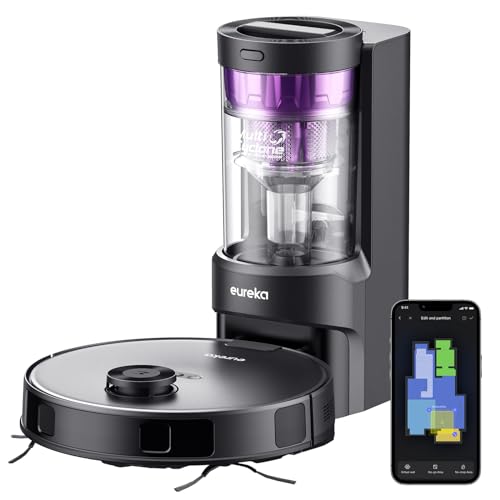
If you have pets, a robotic vacuum with a large dust bin is a good choice. It can hold a large amount of pet hair. Find a vacuum with an object avoidance feature that is able to detect and avoid everyday objects like cables, socks and toys.
What is an automated robot vacuum cleaner?
A self-emptying robot vacuum is an instrument for floor cleaning that automatically empties the debris into its docking stations. The docking station contains a dust bag that is designed to hold the pet hair, dirt, and other debris gathered by the robot as it cleans your home. Once the dust bag is full, remove it from the base station and replace it. This feature eliminates the need to empty a robot's onboard dustbin after each use, which saves you time and energy. This feature also prevents dust from the vacuum's dustbin, and then being blown out into the air. This is particularly beneficial for families with allergies.
Whether a self-emptying robot vacuum is suitable for you is contingent on several aspects that include the layout of your house and flooring type. If your home is adorned with carpeting throughout it is recommended to select the right robotic vacuum that has enough power to be able to clean it thoroughly. In other words, you may have to vacuum your floors on a regular every day. If you have pets, you'll also want to look for an item with advanced navigation technology that can avoid pet messes and other obstacles in the home.
Some self-emptying robot vacuums may even be programmed to automatically return and empty their onboard dustbins into the docking station following a predetermined time period and you don't need to manually do it every time. It's important to remember that emptying robot vacuums can be very loud.
Additionally, it is important to check your robot vacuum regularly for any pet hairs that may have become stuck to the brushroll or wheels.
best irobot for pet hair could affect your robot's ability effectively clean your home. It can also block the filter and decrease the suction power of your robot. Most robots come with easy-to-clean wheels and brushes which can be removed and cleaned in warm water.
Jodhaira Rodriguez is a product reviews analyst in the Good Housekeeping Institute's Cleaning Lab. She has tried a variety of floor cleaning devices, including vacuum mop combination devices and robot vacuums. She has personally tested all the self-emptying robots featured in this roundup.
How does an automatic robot vacuum cleaner function?
The self-emptying feature is among of the most significant recent advancements in robot vacuum design. It eliminates a major drawback of most robotic vacuums, that is the requirement to empty the dust bin on board at each cleaning session. Instead, the majority of models with self-emptying dustbins come with docking stations that have the largest vacuum cleaner bag and the machine is designed to dump its own waste into the larger bin. The process is automated and occurs at the moment that the robot returns back to its dock to charge. It can be done as you are doing anything else.
The best self-emptying robots typically come with a number of useful features, in addition. Many are able to be controlled by an app compatible with your smartphone that lets you create schedules and other settings and watch a live feed of the robot's camera. Some models can automatically detect the changes in flooring, for example switching from bare to carpeted floors, and then adjust cleaning modes accordingly. They also typically offer more advanced features, like mapping capabilities, a range of attachments, and quiet modes for use at night.
Self-emptying robots are typically expensive, though, and may not be worth the splurge for all. Before making a purchase it is important to think about the advantages and other aspects that come with this type of robot vacuum.
A self-emptying robotic cleaner could be a wonderful addition to any home that requires a little extra assistance in keeping it spotless. It could take the burden off busy homeowners who don't have time during their daily chores to empty the tiny onboard dustbin, and it could mean you'll be able to use your robot cleaner more frequently than you otherwise might have. It's only a small step towards the ultimate goal of having a completely hands-free cleaning machine, however it's a good starting point.
What are the advantages of a self-emptying robot vacuum?
Self-emptying robot vacuums are ideal option for pet owners. The primary benefit is that they eliminate the need to empty your bins frequently and this means that you don't need to linger over your robot or worry about running out of bin space. The possibility of setting an agenda and let the robot do its work without any interference is also an advantage. The process of replacing the bag and emptying the base is made easier which decreases dust blowback. This can be helpful for those suffering from allergies.
A self-emptying robot will also have a bigger base, which means it will hold more dirt and debris. This can reduce the spread of allergens within your home. This is particularly important if you have pets. Pet owners also benefit from the extended runtime of a robot that cleans itself.
A self-emptying robot can also reduce the time you spend on maintenance. Instead of having to empty the bin on board regularly, you'll only have to empty the base every couple of weeks or at least every few weeks or. This is a huge benefit for professionals, parents and people with a hectic schedule.
It is important to keep in mind that self-emptying robotic vacuums don't provide a magical solution to your cleaning issues. Even the most powerful robot vacuums can still get stuck in furniture, on door thresholds or in thick rugs. They can also block or snag on shoes, clothing or phone chargers. While a robot that can empty itself may help you save time however, you'll still need to vacuum in the hard-to-reach corners and nooks.
Certain pets may be scared of the noise or movement of self-emptying robots. It is best to introduce them slowly, letting your robot get used to the sound and motion of it as you drive it around the house.
What are the disadvantages of a self emptying robot vacuum?
Robot vacuums with self-emptying bases take a lot of the stress out of cleaning. Instead of having to pause during the cleaning process to empty the onboard dustbin you can set it and forget it. They're a great option for those with a busy schedule and require to clean while juggling work, kids and other tasks. Self-emptying vacuums are not the ultimate in convenience. You still need to empty your robot vacuum on a regular basis.
The majority of self-emptying robot vacs come with relatively small storage systems, which means they have to be cleaned more often than traditional models. This is especially true in homes where pet hair and other messes build up quickly. Some require emptying every two or three cleaning sessions.
Robotic vacuums may also get stuck on objects or tangled. This requires human intervention. Some models claim to utilize sensors to avoid obstacles. However it isn't always the case. They can still get caught in cords, shoelaces, and stray toys.
Another downside to a self-emptying robot is that they are usually quite expensive. This can be a challenge for those who are on a tight budget. Additionally, they require a dedicated area for their docking station, which can be difficult to accommodate in smaller spaces.
It's also important to decide if the additional functionality of a vacuum cleaner that self-empties is worth the cost. Find out if the model you are considering has a large bin that can handle the needs of your household. Also, look for other convenient features like Wi-Fi and smart home connectivity.
Finally, it's also worth considering if have a member of your household who might suffer from allergies. Handling a full vacuum bag can allow debris to be reintroduced into the surrounding which could trigger asthma and other respiratory problems. It's also a good idea to look for an option that allows you to define no-go zones. This will stop the robot from entering your office or getting too close to antique rugs. Certain older models utilize strips that you must install, whereas modern robots typically allow you to designate areas that are off limits using their apps.
