15 Fun And Wacky Hobbies That'll Make You Smarter At Chimineas Clay
Taking Care of a Clay Chiminea
Clay chimineas are a stylish and useful accent to any outdoor space. But, like any other outdoor or fire pit fireplace, a chiminea must be treated with care to maintain its beauty and functionality.
Once they've been glazed, clay chimineas are somewhat resistant to rain, snow and sudden temperature fluctuations. They can be a danger, and should be covered when not in use.
How they're made
Chimineas can be a stunning practical way to keep warm by a fire. They are made of clay, but they can also be made of metal or Terracotta. The chimney focuses smoke into the air, and their bulbous shape makes it easy to begin large-scale fires. They are able to retain heat well and are perfect to keep you warm all year. Clay chimineas can be more fragile than their metal counterparts, and could crack or break due to sudden temperature fluctuations or physical damages. To avoid this from happening, they must be treated with care and receive regular maintenance.
Mexican clay chimineas are a thriving business. Small factories still use kilns in a variety of sizes to create beautiful outdoor fire pits. Kilns can be capable of storing 100 or more Chimineas and are heated up to temperatures of over 1000c. This process takes a couple of days and the result is that the clay becomes rock-hard. Once this has been achieved the clay is now ready to use.
Make sure that your chiminea is completely dry prior to use. This will stop any water or moisture from absorbing into the clay and cause cracks. It is also a good idea to get a cover for your chiminea in order to keep it safe from snow or rain that could cause damage to it. It is also important to get into the habit of not moving your chiminea around a lot. Once you have located its permanent home in the garden, it is recommended not to move it again until you are absolutely required to do so as it can cause the clay to expand and crack over time.
It is recommended to start your chiminea by using smaller fires first, rather than larger ones. This will allow the clay to get accustomed to staggered heat and will prolong its life. This is referred to as "seasoning" or "curing" the chimenea and it is something you should do for all chimineas regardless of whether they're made of clay, metal or Terra-cotta.
Function
A clay chiminea is much more than a beautiful garden decoration, it also works as a heating element. It resembles a potbelly with a large mouth in the front, and a tall chimney at the top to let smoke escape.
Chiminesas aren't as large as an outdoor fireplace and will not provide warmth to the entire room, but it can create a comfortable ambiance for people to sit around while the fire is burning. They are typically placed in patios or gardens as a central spot for families and friends to cook, socialize and relax.
Chimineas are available in different sizes and styles to fit the design and decor of any yard. They are made from natural materials like clay, cast iron, or terracotta. Metal components may be coated to prevent corrosion. Some models are made from metals such as aluminum which are more heat-sensitive and can be painted in a variety of colors to match your home or landscape.
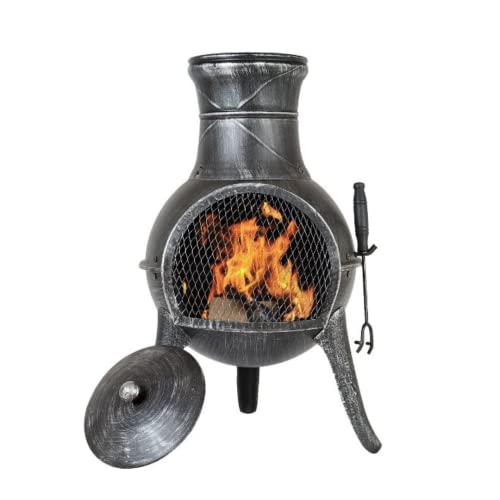
Clay and terracotta are less durable than metal chimineas and are susceptible to cracking or break when placed on a base that isn't solid and keeps them off the ground. Terracotta and clay also get more hot than metal, which is why they should be kept away from areas where children or pets are playing or walking.
The majority of chimineas have an empty base, where the fuel can be put before lighting. It is important to add a layer of sand, gravel or lava rock inside the base to keep the inside of the chiminea tidy and safe from the extreme heat generated by wood burning. It is also an excellent idea to create the first fire inside the chiminea by using paper and small pieces firewood to prevent cracking of the clay.
The unique design of a chiminea lets the smoke to escape at the top of the chimney, keeping flames and ash out from any person who is near. This feature also makes chimineas more effective than traditional fire pits when the weather is windy as the chimney and bowl help to control the movement of the smoke.
Maintenance
Chiminesas are a wonderful addition to any backyard. Not only are they beautiful art pieces by themselves, but the flickering flames are fascinating and create a cozy atmosphere that is perfect for family dinners or entertaining friends, or just sitting around the fire on a summer evening. Chimineas, just like any outdoor fire pit or fireplace, require some care to keep them safe and functional.
It is important to clean your clay chiminea regularly to avoid cracking. It is first necessary to get rid of any debris or ash from the inside of the. You can do this using a brush or a wire-bristled scraper that can break up the clumps that are ash and dirt. You will then want to wipe the outside of the chimney using a cloth or paper towel and a mild cleaner such as white vinegar that has been distilled. This will remove any built-up soot and keep the chiminea from becoming sticky or oily.
Consider lining the chiminea to prevent it from catching fire. After you've cleaned the ashes, it's also important to allow the chiminea to cure before you use it again. It can take anywhere between four and eight small fires.
It is important to heat up your chiminea slowly before lighting a fire. This will help prevent cracking in the clay when exposed to high temperatures. Put a few inches sand at the bottom of the container and light a fire using small pieces of kindling. Once the fire is out, let the sand cool and then construct a slightly larger fire. Continue this process by gradually increasing the size of the fire until you have a burning fire.
If your chiminea is cracked, it's a good idea try and mend it yourself, rather than hiring a professional. Before you attempt to repair a cracked clay chiminea, it's essential that the crack isn't large enough to be considered as a break.
best chiminea uk www.fireplacesandstoves.uk is also important to make sure that the crack doesn't have any paint on it, as this can fall off when heated.
Safety
You should treat your clay chiminea with care. They are susceptible to breaking if not handled properly and will need to be sealed on occasion. They must also be placed on safe surfaces to prevent damage. They should not be placed close to patio roofs, eaves or any other covering that could catch fire. They should be put in a space that is free of overhanging trees or shrubs. Before lighting a chimenea, it is important to check weather forecasts. The clay could crack or break when exposed to extreme temperatures.
Chimineas come in different styles and shapes. The traditional version has an oval shape with a narrow fireplace as well as an opening large in the front. The design allows the flames to burn even in the rain and without water igniting the flames. They are an ideal choice for outdoor parties and to heat patios.
Metal chimineas last longer than clay models, but their surfaces can get very hot. They aren't as safe to use as terracotta or clay models.
LB's has a variety of different choices when it comes to clay chimineas. Some have a traditional clay appearance, while others sport modern designs that go well with any style of landscaping. Available in a variety of sizes, they can be used to house small and large wood-burning fireplaces. Some models are able to cook on.
When buying a clay chiminea make sure you choose its home immediately It's not something you want to move around! When it's not in use, it is recommended that you purchase an enclosure. This will shield it from repeated exposure to moisture which can cause cracks or erosion of the clay over time.
Be aware that you shouldn't add water to a flame in a clay chiminea as this will cause it to crack. Use only sand or another dry material to extinguish the fire in the event that it goes out.
