The No. #1 Question Everybody Working In Boarding Up Should Be Able To Answer
Boarding Up a Door
The act of boarding up doors is a proactive step that can help property owners protect their buildings and homes from being damaged. It's a standard practice during storm season.
It's not the best idea for vacant property. Homes that are boarded-up and vacant lose value in the area around them. There are alternatives to plywood boards that can be more appealing and offer the same level of protection.
Preparation
The covering of doors is a great method of protecting it from damage during a natural disaster or severe weather. This procedure can be complicated and time-consuming depending on how many windows and doors you have to cover. The preparation is the key to the success of the boarding process. A thorough preparation will also ensure that the boards are secure, maximizing protection and security.
Begin by assessing your property's needs and choosing the right materials and equipment. It is recommended to pick plywood. It is found in a lot of hardware stores and is more durable than Oriental strand board (OSB). Also, it is important to choose a stronger material that can withstand strong winds. A thickness of 5/8-inch is ideal. Cut the plywood boards to size with circular saws. Mark the boards with the openings for doors or windows, as much as possible to allow them to be identified and stored until needed.
Once the plywood is measured and cut and positioned, it can be put on the window or door frame and secured using screws. Braces can be used to reinforce and improve the stability of the frame if necessary. It is also essential to drill holes in advance for the screws to prevent them from splitting and make it easier to insert. After the boards are secured, caulk or weatherstripping can be used to fill in any gaps and increase protection.
It is recommended that you board up all windows and doors with glass that are on the ground floor of a home or business. This will shield the glass from the elements and debris in storms that are severe. It also decreases the chance of vandals or squatters breaking into your home.
Materials
When a building becomes vacant, it's usually required to encase the windows and doors to guard against intruders and weather. While the most common solution is plywood, a more secure option is security screens made of steel. They are wedged in place and secured by screws that are anti-tamper and cannot be removed by crowbars or other tools that are commonly used in homes.
The first step to boarding is to prepare the area. Get rid of any broken glass and debris, then lay the plywood on the floor to act as the base plate. Build a 2"x4" frame of lumber and attach it to the floor along the door opening, using screws that are compatible with concrete fasteners (ideally Torx). Then using either metal or wood shimming, raise the frame and the lintel until it is at the height of zero on the wall. Repeat at least three times, and use the lowest measurement as the height of your door.
Protection against burglars: An empty structure is an invitation to vandals, thieves and squatters who could break into the property and cause damage. A quick and effective boarding up will stop burglars from entering and keeps the property safe until the property can be fixed.
Protection against wildlife: An unprotected building invites rats, squirrels, and raccoons to enter the structure and cause damage. A simple boarding-up will keep these creatures out until they can be taken care of in a permanent way.
The idea of boarding up a storefront is particularly important during hurricanes or strong storms and in areas of civil disorder where there is a threat of looting. Plywood boards can do a great job of protecting windows from debris that is flying and defending against criminals. A more secure alternative is security screens made of steel, which are fixed to window frames with special anti-tamper screws and can only be removed with specially designed tools that criminals don't have access to.
Measurement
Boarding up doors can be an important step in protecting empty properties from the elements, preventing break-ins, and other security threats. The process is easy to follow and does not require any carpentry knowledge. It is crucial to prepare the area thoroughly for making sure that the boards are securely fitted and provide effective protection. This involves cleaning the frame and door in the event of damage, inspecting the frame for damages, sanding rough spots and drilling pilot holes to prevent splitting and ease screw insertion.
Use tape measure to precisely determine the height and width of the window or door. Make sure you make multiple measurements to ensure accuracy, and be sure to include the window framing (but not the trim around or structural framing). This information will allow you to determine the number of sheets of plywood you will need to purchase.
The importance of boarding up doors isn't only essential to shield homes from extreme weather, but also for vacant homes and business security. Without a secure boardup, doors and windows are at risk of being broken into by vandals, squatters, and other intruders. A secure boarding up system can deter intruders by presenting a barrier that requires a lot more force to penetrate.
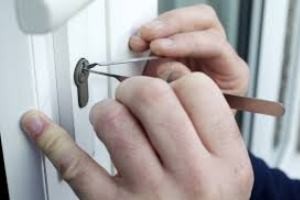
To properly board up the front door, you will need to remove the existing hardware. Store it in a secure location for later installation. To increase adhesion, wash the door and frame with a damp rag. Then sand the rough spots to smooth out the surface and dry it using the help of a towel.
Cutting
The process of boarding up a building is the process of covering doors and windows with plywood sheets to protect them from further damage. This is done after a building has been damaged by fire, floods or other natural disasters. It is also used to safeguard property that is being renovated or repaired. It can prevent unauthorized access as well as break-ins. It will help prevent further damage from occurring during the restoration and cleaning process.
Analyzing the structure and determining the reasons for the boarding up step. This will help you select the appropriate materials and methods to complete the task. You may need to reinforce boards with extra blocks, or build an iron frame to improve security and stability. You may also need to add tamper-proof screws, anti lift plates deadbolts, deadbolts, or window films to improve the security of your home.
Put on your safety gear when you are ready to start the boarding process. If you are able you can use a ladder reach windows and doors that you'd like to secure. Work with a partner. This will keep everyone safe and will make it easier for you to move the plywood sheets. Also, it's important to remember that power tools, shattered glasses and other debris can be dangerous. It is recommended to employ an expert if uncertain about how to safely handle these tasks.
Install the plywood after it has been cut to size. First, you'll need remove the threshold from the door's bottom opening. The next step is to make an outline of the marks on the plywood using the threshold as a template. After that, you'll need to cut the marks using a saw (pictures 6, 7, and 8). Make sure to make use of a power saw with the cutting depth set to the thickness of the steel security sheets.
Installation
When a home is empty it is essential to cover the door with a board to shield it from vandalism, theft and other threats. It also protects the property from weather damage. Boarding up the property helps to stop wind, water and debris from further damaging the structure as well as its contents. it also keeps squatters and other guests who are not invited out.
It is essential to ensure that the boards are secured when you are boarding up a door or window. If they're not secured, they'll easily be taken away by criminals, squatters, or other squatters. This can be accomplished using various methods. For
window boarding up near me Repair My Windows And Doors , you could using a sturdy bracket to secure the board. Also, you can make use of a pair 2x4s as well as a carriage bolt to hold the board in place. This method is especially helpful for older homes.
Steel sheets for security are a more durable choice. They are available in a variety of sizes that can be used in all kinds of homes. They can be perforated or solid. Installation teams cut them on site to ensure that they are perfectly incorporated into the window frame, or any other opening that needs the boarding up. Steel is more expensive than plywood but offers greater protection and can last for an extended period of time.
When boarding up doors with steel security, it's essential to use anti-tamper fixings. They are more expensive than standard screws but offer an increased level of security. They can only be put in with a specific tool making them more difficult to remove. This is an important advantage over plywood that can be quickly removed by criminals using standard tools.
