How To Determine If You're All Set To Car Key Immobiliser Repair
Key Fob Replacement and Reprogramming - Why Your Car Won't Start
Nowadays, all vehicles are equipped with an engine immobilizer to protect against theft of cars. If your vehicle won't start after inserting the key fob, there may be a problem with a transponder chip that is not sending an authorization code to the immobilizer system.
This is a quick fix for any auto locksmith in Gold Coast. Let's take a look at the different parts of your vehicle's immobiliser to discover what you can do.
Battery
If you're in the auto repair business it is crucial to concentrate on your shop's earnings and cost-saving opportunities. One method to achieve this is to provide key fob replacement and reprogramming to your customers. This will not only benefit your customers but will also boost your shop's profit, without having sublet the dealership.
The key fob battery powers the remote locking and opening systems. However, it doesn't provide power to the immobiliser. The immobiliser is powered through the transponder that is located in the fob, key or instrument cluster. The chip transmits a passcode from the fob or key to the immobilizer module of the car, which can be integrated into the PCM (power control module) BCM (brake control module) instrument clusters smart junction boxes or standalone modules. The system then checks the code to ensure it is correct. If
internet site isn't correct the system will disable components that are crucial to starting the car, such as the ignition motor or starter motor. This will make the car nearly impossible to start if you don't have the right key.
The immobiliser system has been highly effective in reducing car theft since its introduction. However,
car key repair service are always looking for new ways to get around these security measures. One of these methods includes an upcoming trend called the Kia Challenge on TikTok that demonstrated how easy it is to connect a vehicle with hot wires.
Insurance companies are now incorporating the use of an immobiliser when calculating premiums. This makes it more appealing to buy a car with this feature. However, even vehicles equipped by the manufacturer with an immobiliser could face issues with it. These issues are typically simple and inexpensive to solve. A dying or dead keyfob battery is typically the cause of a faulty ignition immobiliser. A quick diagnostic test can reveal this issue. If the issue continues, it could be due to electrical issues or wiring issues. It's best to seek out a professional to determine the issue and repair it.
Transponder Chip
In cars made after 1995, a tiny electronic chip referred to transponder is integrated into the head of your car key. It is also known as a "chip key" or a "transmitter-responder" key. Its purpose is to prevent the engine from starting when another person has a duplicate of your key. It works by sending a radio frequency from the key to the immobiliser system. If the code on the car's computer matches the signal transmitted by the key, it will disarm the immobiliser and allow the engine to begin.
The key that has a transponder is also referred to as a "fob" or a "smart" key, because it is more difficult to copy than a mechanical key. It is possible to duplicate a traditional key, but not a transponder one. In contrast to the central locking element remote of a conventional key, which is powered by batteries, a transponder chip powered by an infrared (IR) signal that is transmitted by the antenna ring that is located on the ignition cylinder.
To activate the transponder chip the ignition cylinder must be turned to the ON position. The ring emits IR energy which is picked up by a microchip within the key. The chip responds with a unique code to the immobiliser inside your car. The car's computer compares the code stored in its memory with that from the transponder chip, and if they match, the engine will start.
The immobiliser will disable the engine if it detects an unauthorized key or transponder. It will also prevent any essential components of the car from working. Without a functioning engine, the vehicle will not be able to move, and it will be easy for criminals to hot-wire the vehicle and then drive away. This is a powerful deterrent to crime, and is the reason why you should get your car's key-immobiliser repaired as soon as you can when it has a problem. If you don't take this action, the security light on your vehicle will continue flashing and you will not be able to begin it.
Security Light
The immobiliser utilizes a small battery to send an electrical signal to the chip inside your key. This is an anti theft device that stops anyone from driving your car without the correct key. If the system is unable to detect a digital serial number from the chip in your key, it will disable the engine immobiliser, preventing the car from beginning.
The car immobiliser is a fantastic way to deter thieves, however it can sometimes be out of sync. This could be due to interference or a system that is too sensitive. This may require a reset. To do this, disconnect the battery. After 15 minutes, reinstall the battery and then restart the vehicle. This will reset the system and allow it to accept your key once more.
The security light is an immobiliser's method of alerting you to an issue. If the light is illuminated and you try to start your car, it means that the code stored in the ECU does not match the chip in the key. This can happen if your car key has been replaced with a new one that is not programmed to work with the vehicle, or if the ECU was not swapped correctly.
If this is the case then you need to go to a professional to have the transponder or key chip properly programmed to your vehicle. It's possible that your system will not accept the key due to a software update or bug. To test this, put your key in the ignition and turn it to ON but don't attempt to start the engine. Keep the key in this position for 10 minutes. The security light should come on, and then go off. If it doesn't, you'll have to repeat the process and wait another 10 minutes. Repeat the process three times, and the issue will be resolved.
Programming
A car immobiliser prevents the car's engine from operating without a correctly programmed key or fob. It makes use of a unique RFID micro-chip that can't be duplicated and has its own digital serial number. The immobiliser will be disconnected when it doesn't recognize the code. It's tough to beat.
Modern cars are equipped with this security system as standard. This makes it extremely difficult to wire the car hot or use a different key as a starter. The system works by checking the chip inside a key fob or a key and transmitting a passcode to the ECU (electronic control unit). The ECU knows it's the correct key and that there hasn't been compromised code. The system will not allow the car to start if it doesn't receive the correct code. Some models will even notify the owner in the event that someone attempts to use an unapproved fob or key.
However, the system is not impervious to theft. Some thieves have bypassed the immobiliser with techniques such as 'hot-wiring.' This involves crossing the wrong wires within a vehicle's wiring to fool the ECU into thinking that the appropriate fob or key is being used. However, this method is extremely risky and requires a great deal of experience to carry out the procedure without damaging yourself. Plus, a lot of modern car thieves have shifted over to more advanced methods such as using specialised apps or Bluetooth to take over the car's information and remotely control it using their phones.
Owners of cars will often notice warning lights that signal an immobiliser gone haywire. It can happen for a variety of reasons but the most frequent one is a faulty battery in the keyfob. The issue can be solved by an easy replacement.
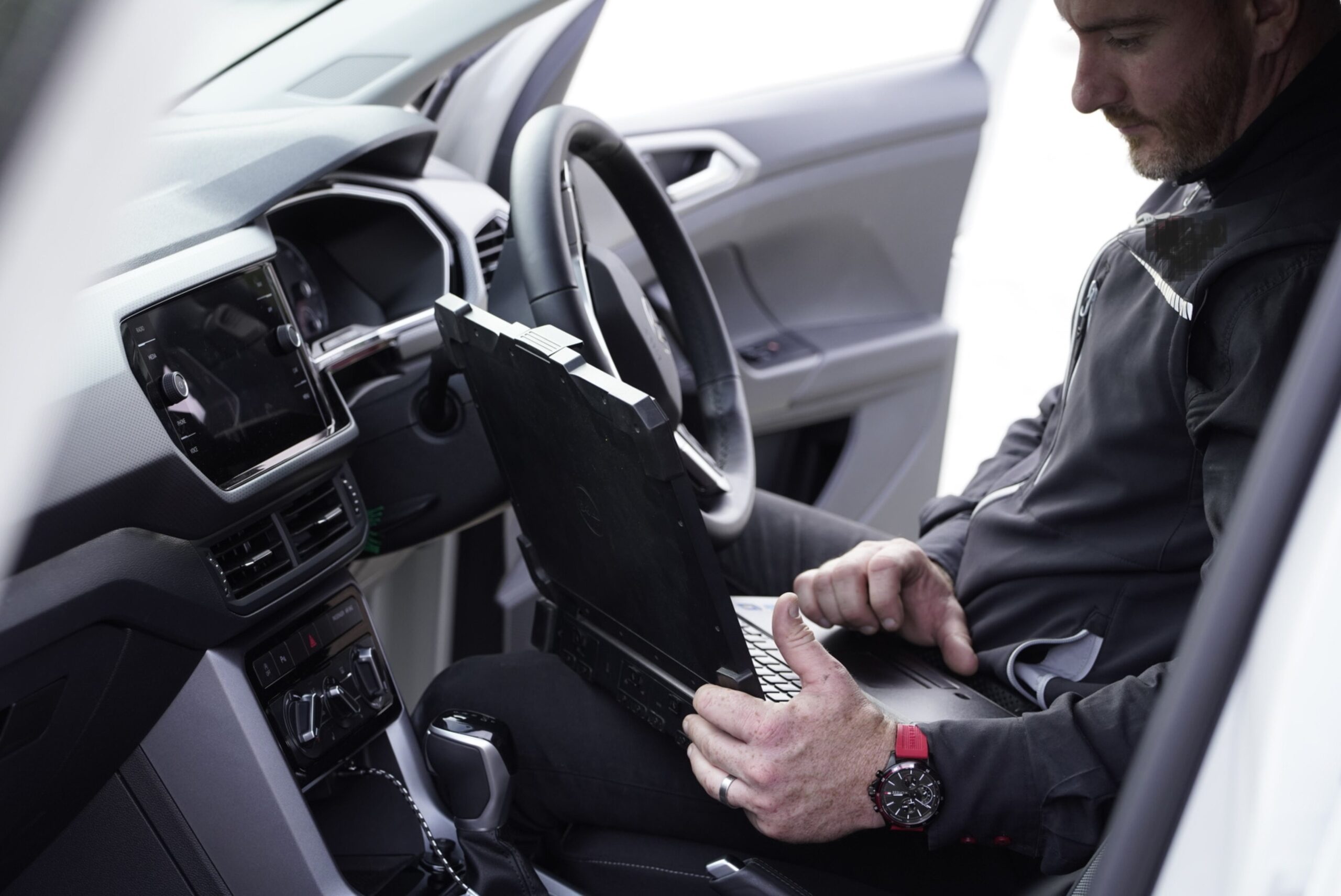
If this doesn't work the transponder chip could be faulty or mismatched with the ECU. This is harder to diagnose and fix as it may require an expert locksmith or a dealership. However, a car's immobiliser may also be damaged by water intrusion, or even being pulled away from the fob or key. If any of these issues occur, it's recommended to visit a local garage or car dealer to seek assistance.
